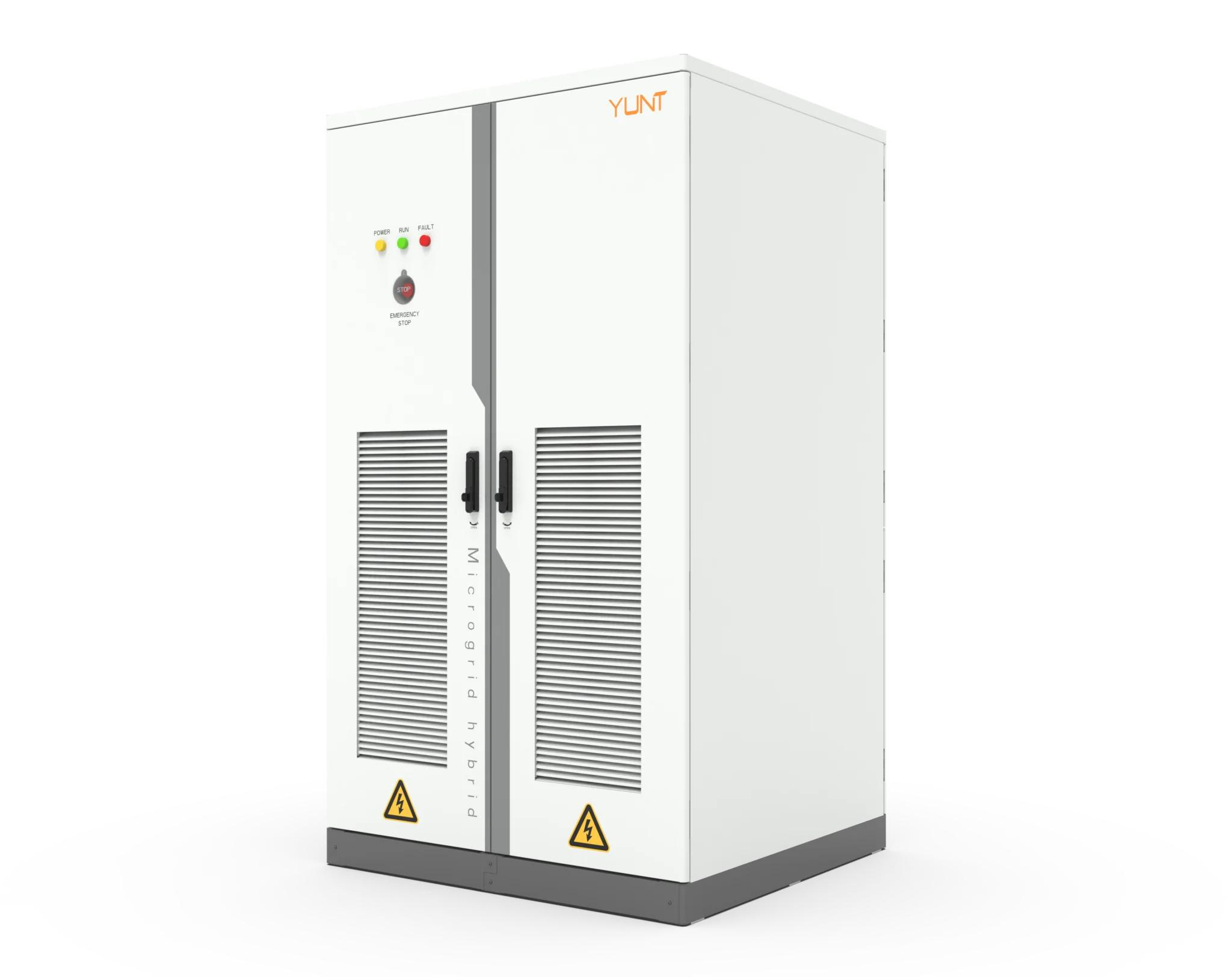
Coastal facilities, ports, and island microgrids operate under constant exposure to harsh marine environments. High-capacity PCS units installed near shorelines expose their internal electrical components to airborne salt spray, persistent relative humidity, and broad ambient temperature fluctuations.
Standard inland power conversion units installed in marine atmospheres suffer rapid dielectric breakdown, severe metal corrosion, and catastrophic internal short circuits. Project developers should prioritize marine-grade enclosure protection and structural isolation to prevent expensive facility downtime and frequent hardware replacement.
PCS Power Conversion Systems in Harsh Coastal Environments
In addition to corrosion and thermal stress, operating a PCS power conversion system in coastal environments requires sustained long-term stability under volatile weather conditions. Seasonal temperature changes, high humidity cycles, and extreme weather events can accelerate component aging and increase maintenance requirements.
For large-scale energy storage and renewable energy projects, unexpected equipment failures may lead to reduced power availability and increased operational expenses. These risks are particularly significant in coastal areas where maintenance access can be limited and environmental conditions are constantly changing.
Therefore, environmental adaptability, protection level, and system reliability should be evaluated together during the early design stage of coastal power infrastructure projects.
Understanding the Coastal Atmosphere and Its Impact on Power Infrastructure
Coastal zones are characterized by a harsh atmospheric mix of sustained high relative humidity, which frequently surpasses 90% in shoreline areas, and elevated concentrations of sodium chloride (NaCl) aerosols. These microscopic saline droplets act as a highly conductive liquid electrolyte when they settle upon copper busbars, sensitive circuit boards, and high-frequency power semiconductors.
If condensation occurs during diurnal temperature swings, this moisture dissolves the accumulated salt crystals, establishing localized pathways for galvanic corrosion, insulation breakdown, and severe electrical tracking. Such dynamic environments require advanced mitigation tactics that go beyond basic rust-resistant paints.
Additionally, high-frequency switching operations naturally generate significant internal thermal loads. When a system cycles off and cools, the resulting interior pressure drop can draw external damp, salt-laden air deep into standard, non-sealed electrical enclosures.
Over a multi-year operational lifecycle, this cyclical thermal stress leads to micro-cracking, wire-bond fatigue, and the rapid degradation of structural insulations. Consequently, modern Business developers must prioritize advanced environmental sealing and thermal management as core engineering elements.
Engineering Solutions for PCS Power Conversion Systems in Coastal Zones
To combat the continuous ingress of humid, saline air, advanced conversion cabinets are engineered with state-of-the-art ingress sealing and specialized internal thermal routing. Standard open-loop forced-air cooling methods, which pull ambient outdoor air directly across internal electrical components, are highly vulnerable in maritime environments unless equipped with sophisticated, high-maintenance filtration stages.
Because of these maintenance overheads, the global market has steadily shifted toward liquid-cooled or completely closed-loop air-cooled topologies that fully isolate critical power modules from the surrounding atmosphere. These resilient systems typically feature high-grade ingress protection ratings, coupled with application-specific anti-corrosion materials, coatings, and enclosure protection selected according to local environmental requirements.
By implementing a dual-chamber internal architecture, the delicate power electronics operate in a clean, temperature-controlled environment, while heat is rejected via an external heat exchange loop. Incorporating a robust BESS power conversion system designed with these closed-loop characteristics ensures that localized hot spots are eliminated without exposing sensitive semiconductor junctions to the outdoor environment.
Modular Architectures Engineered for High-Density Environmental Protection
When evaluating industrial equipment suppliers for demanding seaside installations, technical specialization and proven international standards are critical factors in project success. Top-tier manufacturers address these complex environmental engineering hurdles by providing standardized, certified modular products that offer both air-cooled and liquid-cooled configurations.
For instance, YUNT provides highly adaptable modular power conversion platforms, including its flagship 125 kW modular PCS tailored for C&I applications. Designed for versatile thermal management, these systems allow developers to choose between forced-air and advanced liquid-cooled configurations depending on the severity of local coastal conditions.
Leveraging specialized expertise in environmental protection engineering, YUNT focuses on anti-corrosion topologies and sealed thermal isolation. For coastal projects, YUNT provides air-cooled and liquid-cooled PCS options, while enclosure protection and corrosion-resistance requirements should be confirmed according to the specific installation environment.
Securing Long-Term Asset Viability in Offshore and Shoreline Microgrids
In offshore and shoreline microgrids, power conversion hardware acts as the primary anchor between intermittent marine generation and high-reliability local demand. Securing long-term asset viability in these remote environments depends heavily on structural durability, as offshore dispatch and emergency component replacements incur extreme O&M logistics overheads. High-spec conversion systems protect project LCOE by eliminating salt-induced downtime and ensuring stable power delivery across multi-decade lifecycle spans.
Surviving maritime exposure requires moving beyond general-purpose power hardware. Specifying purpose-built, highly protected conversion units mitigates atmospheric degradation at the source, controlling lifelong O&M expenses and securing dependable yields for coastal energy investments.
