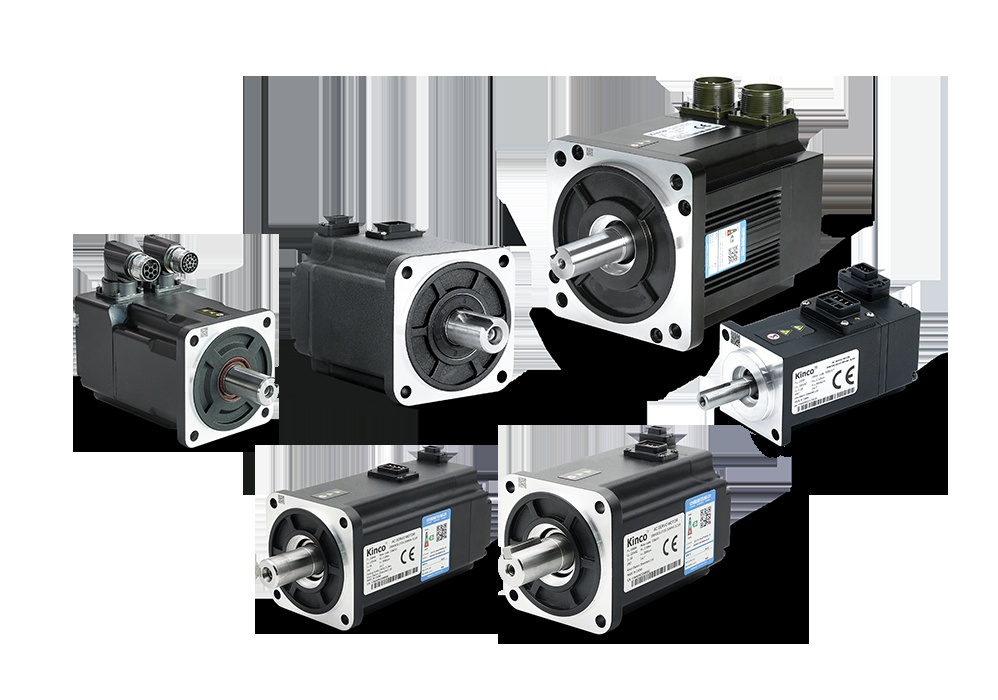
Selecting a direct current (DC) servo motor manufacturer involves more than comparing purchase prices or rated power. For equipment builders and industrial system integrators, the motor should deliver the required motion, work with the control architecture, and fit the mechanical design.
Product documentation, customization options, quality management, and technical support also influence long-term operating costs.
An evaluation framework helps engineering and procurement teams compare suppliers against the same requirements. The following ten factors provide a practical starting point for selecting a manufacturer for industrial motion-control applications.
- Match the Motor to the Application
Start by defining the load, required speed, acceleration, positioning accuracy, duty cycle, and available installation space. A motor used in a packaging mechanism faces different demands from one installed in a mobile robot or automated assembly station.
Give the manufacturer a realistic description of the operating cycle, including frequent starts, stops, reversals, and load changes. Clear requirements make it easier to identify suitable models and limit selecting a motor based on a single headline specification.
- Evaluate the Integrated Servo Motor Design
An integrated servo motor combines a motor with selected electronic or feedback components in one assembly. Depending on the design, integration can reduce separate mounting points, external connections, wiring work, and cabinet requirements. The exact combination of components differs by product.
Ask what the package includes, such as the motor, drive electronics, encoder, brake, or communication interface. Also check connector access, heat dissipation, and replacement procedures. A compact assembly is useful only when its electrical and mechanical arrangement fits the finished machine.
- Compare Torque and Speed Ratings
Rated torque, peak torque, and operating speed describe different aspects of motor performance. Continuous torque determines sustained output under specified conditions, while peak torque supports short-duration demands such as acceleration. A motor that reaches the required peak torque is not automatically suitable for continuous operation.
Compare the torque-speed curve with the load profile. Account for friction, acceleration, inertia, and any gearbox losses. Request the current datasheet for the exact model and verify that the selected motor can meet the required cycle without exceeding its operating limits.
- Verify Electrical and Controller Compatibility
Check the main power supply, logic power requirements, current capacity, and supported communication protocols before selecting a supplier. For example, the Kinco iSMD series uses a 48 VDC nominal main supply with an allowable range of 24–60 VDC. Logic power requirements depend on the selected STO configuration. Confirm the wiring and interface specifications for the exact model before integration. Incompatible electrical specifications can require additional hardware or redesign the control cabinet. For integrated products, confirm whether the drive accepts the available supply and supports the communication method used by the machine controller.
Request wiring diagrams and connector details during the design stage. If the application requires position, speed, or torque control, verify that the chosen configuration supports the required operating modes.
- Check Feedback and Control Precision
Feedback devices allow a servo system to measure motor movement and correct deviations from commanded motion. Encoder type, resolution, communication protocol, and compatibility with the drive affect commissioning and control performance.
Ask whether the manufacturer offers feedback options suited to the application. For repeated positioning, inspect the complete system’s expected accuracy, including transmission backlash, mechanical compliance, and installation tolerances. Motor feedback specifications alone do not establish the precision of the finished machine.
- Review Quality and Production Consistency
Reliable suppliers use documented procedures to manage inspection, traceability, and product revisions. Request relevant quality certifications, test records, and information about how components are checked during production. Verify that any claimed certification applies to the specific manufacturing operation or product category.
Consistency matters when equipment builders order motors for multiple machines. Stable model specifications and clear revision notices help engineering teams maintain validated designs across production batches.
- Assess Customization Capabilities
Standard products do not fit every machine. Some projects require special shaft dimensions, mounting arrangements, cable lengths, connectors, feedback options, or communication interfaces. Discuss these requirements early and ask which modifications are supported.
Evaluate how proposed changes affect lead time, validation, replacement availability, and future orders. A supplier’s willingness to discuss customization is valuable, but the final configuration should be documented with a unique model number and confirmed specifications.
- Examine Documentation and Integration Support
Good documentation helps reduce installation errors and commissioning delays. Review the availability of datasheets, dimensional drawings, wiring diagrams, parameter instructions, and troubleshooting guidance before placing an order.
For an integrated servo motor, request details about software configuration, firmware compatibility, parameter backup, and fault reporting. When an engineering team can access the required technical information early, it can assess compatibility and prepare a more complete integration plan.
- Evaluate Technical Service and Spare Parts
Consider how the manufacturer handles commissioning questions, troubleshooting, warranty claims, and replacement components. Response arrangements and spare-part availability matter particularly in production facilities where unplanned downtime interrupts deliveries.
Ask about product lifecycle support, repair procedures, and notification of component changes. For equipment deployed internationally, check how technical assistance and replacement supplies are arranged in the operating region.
- Compare Total Cost and Supply Reliability
Purchase price should be considered alongside installation labor, commissioning, maintenance, energy use, and expected downtime. A lower-priced motor can become more expensive if it needs additional interfaces or requires extensive integration work.
When comparing DC servo motor manufacturers, also examine production capacity, delivery commitments, order quantities, and long-term model availability. Use the same technical specification and commercial assumptions for every quotation to make differences easier to assess.
Make the Final Selection With Verified Specifications
The right manufacturer combines suitable motor performance with compatible controls, consistent production, useful documentation, and responsive support. A structured evaluation helps manufacturers and system integrators select components that fit both current production needs and future maintenance plans.
Kinco Automation provides industrial automation and motion-control products, including integrated servo solutions. Review the supplied product documentation for the exact model, confirm any required options, and assess the complete motor-control combination before approving a design.
