Solar charge controllers manage the electricity flowing from photovoltaic panels to batteries. MPPT and PWM are two common controller technologies, but they work in different ways. The right choice depends on array voltage, battery configuration, system size, operating conditions, and project budget. In 2026, buyers should understand these differences before comparing individual products or planning a battery-based solar system.
For companies sourcing equipment for different regional markets, controller selection is also connected with inverter configuration and system integration. Ktech focuses on inverter development and supports customized requirements through its R&D system, with attention to product stability and different application needs.
They also provide training and after-sales support for overseas distributors, agents, and installers. Buyers with specific system or localization requirements can discuss project details with their team before confirming an equipment configuration.
How Does a Solar Charge Controller Work?
Solar panels do not produce exactly the same voltage and current throughout the day. Sunlight intensity, panel temperature, shading, and array configuration can change their electrical output. A charge controller regulates the power transferred from the photovoltaic array to the battery and manages the charging process according to system requirements.
This function is particularly important in battery-based solar installations. The controller sits between the PV array and the battery side of the system. Its operating method affects how available solar energy is transferred and used for battery charging.
MPPT and PWM controllers handle this process differently. Understanding their operating principles gives buyers a clearer basis for selection than simply comparing rated current, physical size, or purchase price.
What Separates MPPT From PWM Technology?
PWM stands for pulse width modulation. With this type of controller, the operating voltage of the solar array is brought closer to the battery charging voltage. The design is relatively simple and can work well when the voltage characteristics of the panels and battery system are appropriately matched.
MPPT means maximum power point tracking. An MPPT controller tracks the operating point at which the photovoltaic array can produce its maximum available power under current conditions. It then converts the incoming electrical conditions to match the charging requirements on the battery side.
This conversion provides more flexibility when configuring a solar array. Within the controller’s specified input limits, the PV array can operate at a different voltage from the battery bank. This is useful for projects using series-connected panels or designs where PV voltage is higher than battery voltage.
When Does PWM Make Practical Sense?
PWM can be considered for smaller solar installations with straightforward electrical requirements. If the panel voltage is properly matched with battery voltage and the system has modest energy demand, a PWM controller may provide the functions needed without adding unnecessary system complexity.
Budget also influences the choice. PWM controllers generally use a simpler operating approach, which can suit small lighting systems, basic battery charging applications, and other low-power projects where the PV and battery configuration is already closely matched.
However, purchase price should not be the only factor. Buyers still need to check panel voltage, battery voltage, controller current ratings, temperature conditions, and daily energy requirements. A mismatch between these factors can limit the useful output of the solar array.
When Is MPPT More Suitable?
MPPT becomes more relevant when the solar array voltage is higher than the battery voltage while remaining within the controller’s specified input range. It is also commonly considered for larger systems where extracting more usable power from available photovoltaic generation has greater value over regular operation.
Temperature is another factor. Solar module voltage changes as operating temperature changes. MPPT technology can track the array’s changing power point rather than keeping its operating voltage close to the battery voltage in the way associated with PWM charging.
System designers may also use a higher PV array voltage to reduce current for a given power level on the PV side. This can affect cable sizing and voltage-drop calculations over longer distances. Cable selection still needs to follow the actual current, distance, installation method, and applicable electrical requirements.
How Does the Controller Fit Into an Off-Grid System?
A charge controller should not be selected separately from other system components. In a project using an off-grid inverter, designers also need to consider photovoltaic capacity, battery configuration, inverter output, load profile, and communication between connected equipment.
Daily consumption provides a useful starting point. Designers can calculate expected energy use and identify loads with higher starting or operating power. They can then compare those requirements with expected PV generation, available battery capacity, inverter characteristics, and charging capability.
Battery communication also deserves attention in integrated installations. When a battery management system exchanges data with other equipment, buyers should check communication protocols and compatibility during the design stage. This is particularly relevant when components from different suppliers are integrated into one system.
Which Specifications Deserve Attention?
Choosing between MPPT and PWM does not remove the need to review other specifications. Buyers should examine maximum PV input conditions, battery voltage, charging current, operating environment, protection design, communication functions, and compatibility with the rest of the solar system.
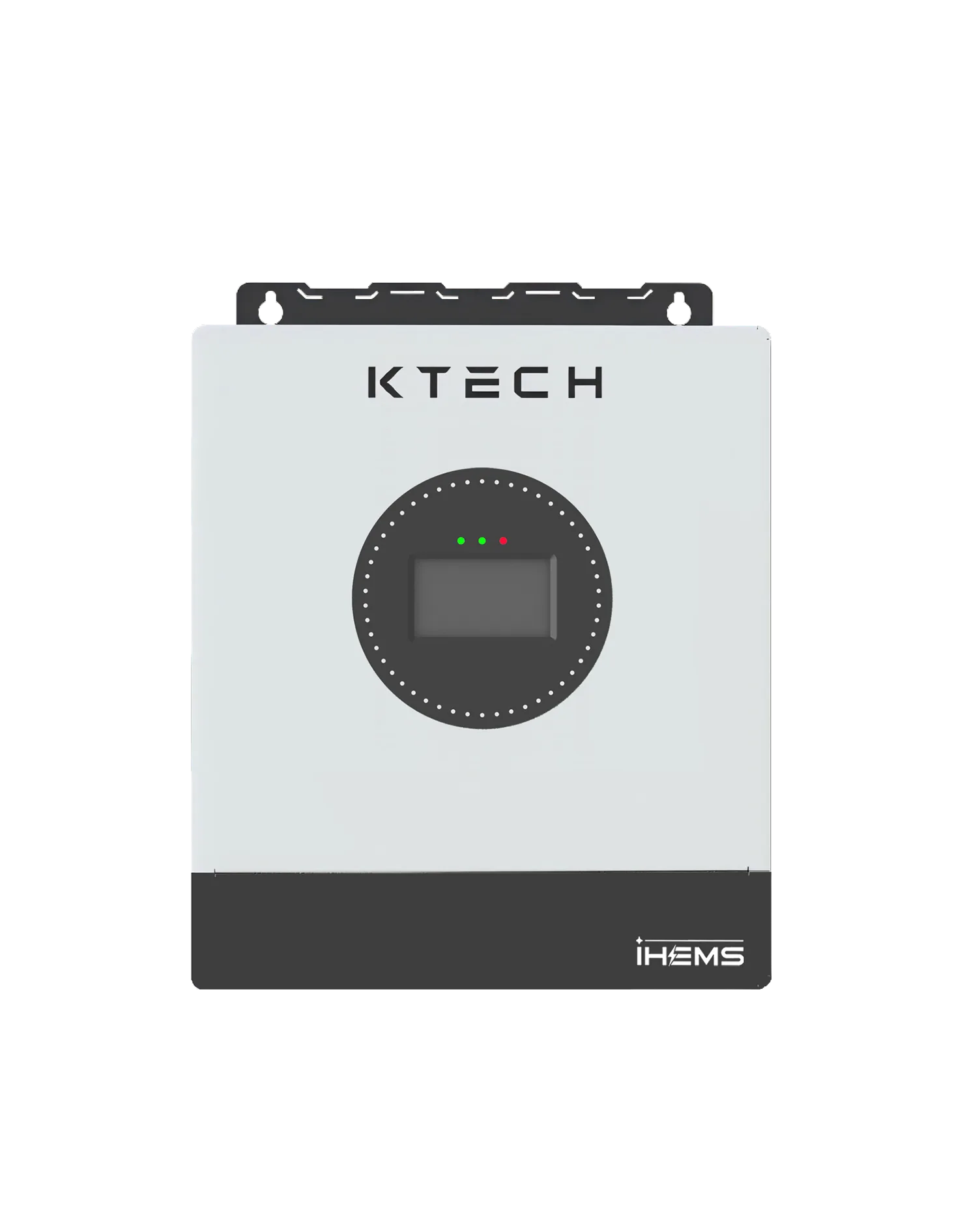
The same approach applies when evaluating inverter equipment. One example is the 5–7.5kW Single/Split Phase American Grid model for off-grid applications. It has an IP20 ingress protection rating and supports up to six parallel units. These specifications are relevant when considering installation conditions and possible system capacity expansion.
Its MPPT tracking efficiency is up to 99%. The model supports in-depth customization, while its BMS communication protocol is openable. The split-phase version also supports single-phase full power output. These characteristics show why charging, battery communication, inverter output, and system architecture should be considered together rather than evaluating one technical figure separately.
Making the Choice for a 2026 Solar Project
PWM remains a practical choice for smaller and simpler systems where PV and battery voltages are appropriately matched. MPPT is more suitable when projects involve higher array voltage, larger PV configurations, changing operating conditions, or greater design flexibility. In a system built around an off-grid inverter, battery characteristics, load demand, PV configuration, communication, and installation conditions should also shape the final decision.
For distributors and installers working across different markets, technical and localization requirements can vary between projects. Ktech combines inverter R&D with customization capabilities, attention to product stability, and training and after-sales support for overseas partners.
They can discuss application requirements and system configurations before equipment selection. Buyers planning off-grid solar projects can contact their team with project specifications to explore a configuration suited to their local market and application.
