For HVAC duct manufacturers, production efficiency depends on equipment reliability, fabrication accuracy, and processing speed. As order volumes increase and customer requirements change, older machinery may struggle to meet production targets. Recognizing when to upgrade HVAC duct making machines helps manufacturers control operating costs, reduce waste, and maintain consistent product quality.
- Production Bottlenecks Are Delaying Orders
Growing order backlogs may indicate that existing equipment can no longer meet production demands. Older machines often require manual adjustments and repeated material handling, increasing processing time and limiting overall output.
Manufacturers should identify which production stages create the longest delays. If cutting, forming, or flange processing consistently slows the workflow, upgrading the relevant equipment may improve production efficiency.
Before investing, compare actual output with required capacity. This helps determine whether a machine replacement, an additional production unit, or better workflow coordination would provide the most practical solution.
- Fabrication Accuracy Is Becoming Inconsistent
Accurate dimensions are essential for ensuring that duct sections fit together during installation. Inconsistent cutting, forming errors, and poorly aligned connections can lead to material waste, rework, and delivery delays.
Manufacturers should first inspect machine calibration, tooling condition, material feeding, and maintenance records. If these issues persist despite appropriate adjustments, existing equipment may no longer meet production requirements.
Upgrading to suitable machinery with modern controls can improve repeatability when operating conditions, tooling, and materials are properly configured. Tracking rejection rates, dimensional deviations, and rework hours helps manufacturers determine whether replacement is justified.
- Maintenance Costs and Downtime Are Increasing
Frequent breakdowns can disrupt schedules and reduce production capacity. As machines age, worn components, unreliable controls, and difficulties sourcing spare parts may increase maintenance expenses.
Manufacturers should record repair costs, downtime frequency, spare-part availability, and recovery time. These figures help compare continued maintenance with the cost of replacement.
When evaluating new equipment, buyers should also consider technical support, maintenance requirements, operator training, and spare-parts access. The goal is to improve operational reliability rather than simply purchase newer machinery.
- Labor Requirements Are Rising Without Higher Output
Manual adjustments and repeated measurements can consume valuable operator time. When production volumes increase, these activities may limit the amount of work employees can complete.
Suitable automation can reduce repetitive handling and simplify production processes. Depending on factory requirements, improved controls, automated feeding, or integrated processing equipment may help operators work more efficiently.
When comparing sheet metal processing equipment, manufacturers should assess setup time, output capacity, staffing needs, and product flexibility. Automation should address identifiable production challenges, and employees must receive appropriate training to operate new systems safely.
- Existing Machines Limit Product Expansion
Manufacturers may need to process different duct configurations, dimensions, materials, or connection types as their customer base expands. Equipment designed for a narrow product range can restrict their ability to accept new orders.
Instead of replacing every machine, businesses should identify specific capability gaps. Additional equipment for rectangular ducts, round ducts, or specialized forming operations may be sufficient.
Buyers should consider material specifications, available floor space, compatibility with existing machinery, and anticipated demand. This approach supports investment decisions based on actual production needs rather than short-term trends.
Choosing the Right HVAC Duct Making Machines
After identifying the main problems, manufacturers should establish clear purchasing priorities. Capacity, accuracy, maintenance costs, automation requirements, and future production plans should all influence equipment selection.
RBQLTY, the brand of Anhui Runbang Heavy Industry Machinery Co., Ltd., specializes in sheet metal processing machinery for industrial customers. Its product portfolio includes shearing machines, press brakes, punching machines, grooving machines, and dedicated duct production equipment.
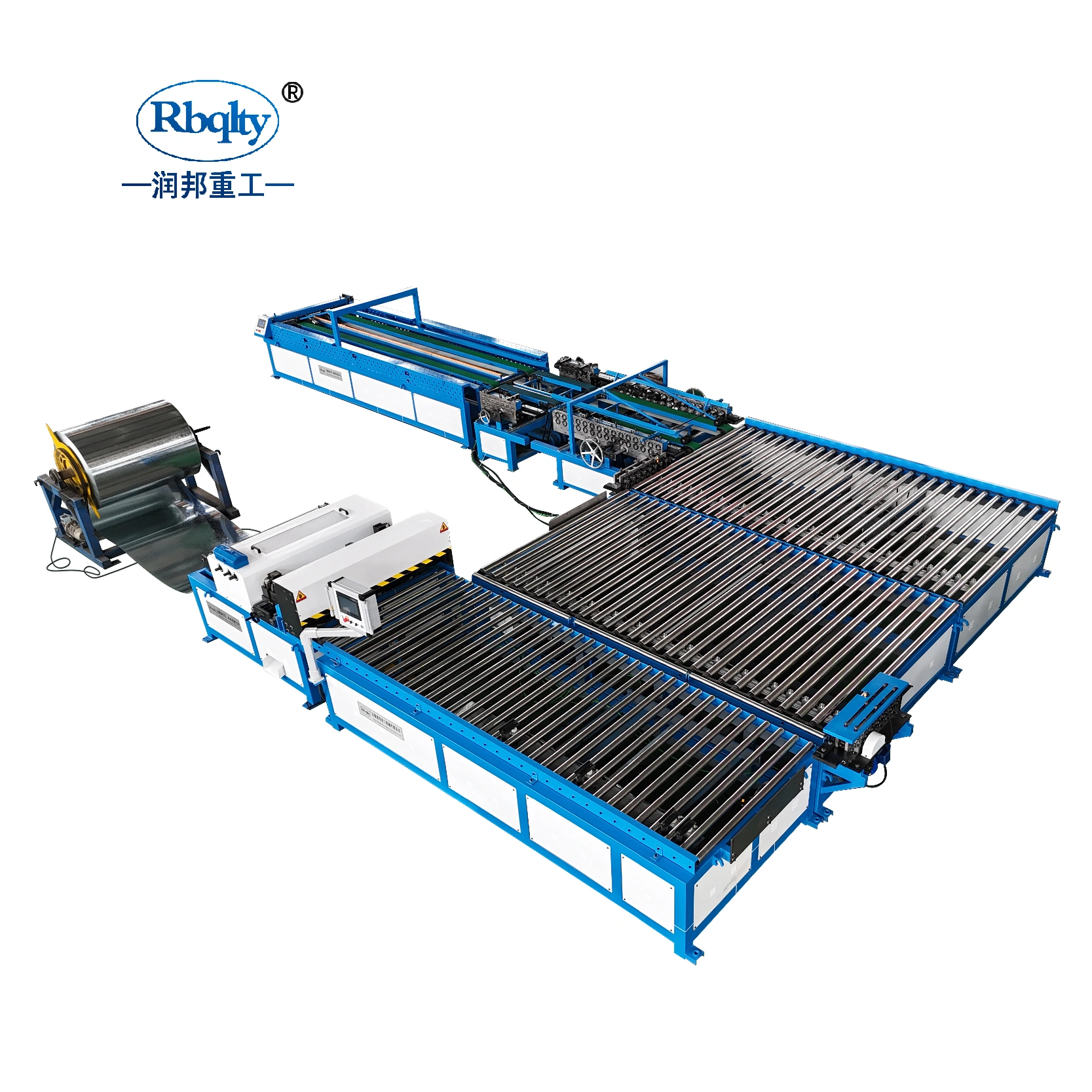
According to its official HVAC duct making machines product page, its offerings include automatic duct production lines, square duct machines, and round duct machines. These categories give manufacturers options to investigate for different duct fabrication requirements.
Businesses planning broader production improvements can also explore RBQLTY’s sheet metal processing equipment catalog to evaluate complementary cutting, bending, and forming solutions.
RBQLTY provides OEM and ODM manufacturing services and accepts customized production requirements. For B2B buyers with specific operational needs, these services may offer a starting point for discussing suitable equipment configurations.
Before requesting a quotation, manufacturers should prepare details about material types, thickness ranges, required output, product dimensions, and existing production processes. They should verify model-specific specifications, available configurations, and technical support arrangements before making a final decision.
Conclusion
Production delays, inconsistent fabrication quality, rising maintenance costs, labor inefficiencies, and limited product capabilities can all indicate that existing equipment needs upgrading.
A structured assessment helps manufacturers distinguish between problems that maintenance can resolve and those requiring new investment. By matching machine capabilities with current workloads and future business plans, manufacturers can make informed purchasing decisions and build more reliable production processes.
For companies exploring industrial machinery or customized manufacturing solutions, RBQLTY offers a starting point for reviewing equipment options and discussing project requirements.
