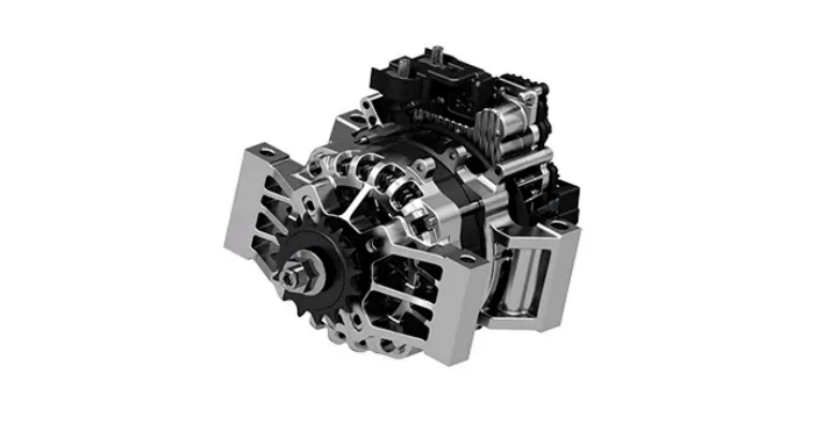
As compact electric vehicles become more capable, the systems that power them are also evolving. Manufacturers and operators no longer want bulky, disconnected components that add weight, take up space, and increase installation complexity. Instead, there is growing interest in integrated powertrain solutions that combine multiple functions into a more efficient and streamlined design.
One of the most practical developments in this area is the integration of a DC alternator and drive motor into a single unit. For electric vehicles such as ATVs, golf carts, and small utility machines, this approach offers a strong balance of power, compactness, and system simplicity. Rather than relying on separate components that must be matched and managed individually, an integrated design helps improve energy coordination while reducing mechanical and electrical complications.
In applications where space is limited and performance expectations are rising, this kind of system can offer a meaningful advantage.
A More Compact Approach to Electric Power Delivery
In many small electric vehicles, available installation space is limited. Designers need to make the most of every inch without sacrificing performance or serviceability. That is why integrated motor and alternator systems are attracting attention across multiple segments of electric mobility.
By combining key drivetrain functions into one package, these systems help reduce the number of separate parts required in the vehicle. This can lead to several practical benefits:
- Less mechanical complexity, with fewer standalone components to install
- Lower overall system weight, which supports vehicle efficiency
- A more compact layout, making integration easier in smaller platforms
- Simplified assembly, which can help reduce production time
For manufacturers, these benefits support more efficient vehicle design. For end users, they can translate into more reliable performance and easier maintenance over time.
Improving Efficiency Through Smarter Integration
An integrated DC alternator and drive motor system does more than save space. It also improves the relationship between power generation and vehicle propulsion. When these functions are designed to work together from the start, the result is often smoother energy conversion and more efficient system performance.
In traditional setups, separate motor and alternator components may introduce compatibility challenges or energy losses, especially if communication and control are not fully optimized. An integrated architecture helps reduce those issues by allowing the full system to operate as a coordinated unit. This contributes to:
- more stable power delivery
- smoother acceleration and torque response
- reduced voltage drop across the system
- better overall energy utilization
For battery-powered vehicles, efficiency improvements like these are especially valuable. Better energy use can support longer operating periods, more consistent output, and reduced strain on the electrical system.
Why Intelligent Motor Control Matters
Performance in compact electric vehicles is not just about raw power. It also depends on how precisely that power is managed. Intelligent motor control plays a central role in making integrated systems more effective across different driving conditions.
Whether a vehicle is used on rough off-road terrain, paved pathways, or industrial worksites, it must deliver predictable torque and speed control. Advanced control systems help ensure that power is distributed smoothly, which improves both drivability and energy efficiency.
This is particularly important for vehicles such as:
- Electric ATVs, which often encounter changing terrain and load demands
- Golf carts, where quiet, smooth operation is a priority
- Utility vehicles and small machinery, which require dependable output for repeated daily use
In these environments, a well-integrated system can provide more stable operation while helping reduce wear on surrounding components.
Flexible Drive Options for Different Vehicle Needs
Another major advantage of integrated solutions is their adaptability. Not every vehicle uses the same drivetrain layout, and different applications often require different methods of power transfer. Systems that support multiple drive configurations are therefore easier to apply across a wider range of vehicle platforms.
Common drive options may include belt-driven, gear-driven, and spline-driven designs, each suited to different operational priorities.
- Belt-driven systems are often preferred when quiet operation and easier maintenance are important.
- Gear-driven configurations can support more direct power transfer in demanding applications.
- Spline-driven options may be useful where precise engagement and mechanical durability are needed.
This flexibility gives manufacturers more freedom when designing vehicles for different use cases. It also makes integrated motor and alternator systems a more scalable solution for companies producing multiple electric vehicle models.
Better Thermal Management and Long-Term Reliability
As performance expectations increase, thermal control becomes more important. Electric vehicles used for extended periods or under demanding loads need systems that can manage heat effectively. Poor thermal performance can reduce efficiency, shorten component life, and increase the risk of downtime.
Integrated systems designed with thermal management in mind can better maintain stable performance during prolonged operation. This is especially useful in commercial fleets and utility applications, where equipment may run for long hours and reliability directly affects productivity.
By reducing excess heat and minimizing unnecessary energy loss, these systems help create a more durable powertrain foundation. Over time, that can mean fewer failure points, more predictable performance, and lower maintenance demands.
Advancing Electric Mobility with Simpler, Smarter Design
The shift toward integrated DC alternator and drive motor systems reflects a broader trend in electric vehicle engineering: achieving more with fewer components. For compact electric vehicles, that approach makes particular sense. Space-saving design, improved efficiency, flexible installation, and dependable control all contribute to a better overall system.
As electric ATVs, golf carts, and small industrial vehicles continue to evolve, integrated drivetrain solutions are likely to play a larger role in how these machines are built and optimized. For manufacturers seeking a practical way to improve performance while reducing complexity, this type of system offers a strong foundation for the next generation of compact electric mobility.
